How attention actually works, and how to earn it!
Everyone wants media. Very few people understand what media actually wants.
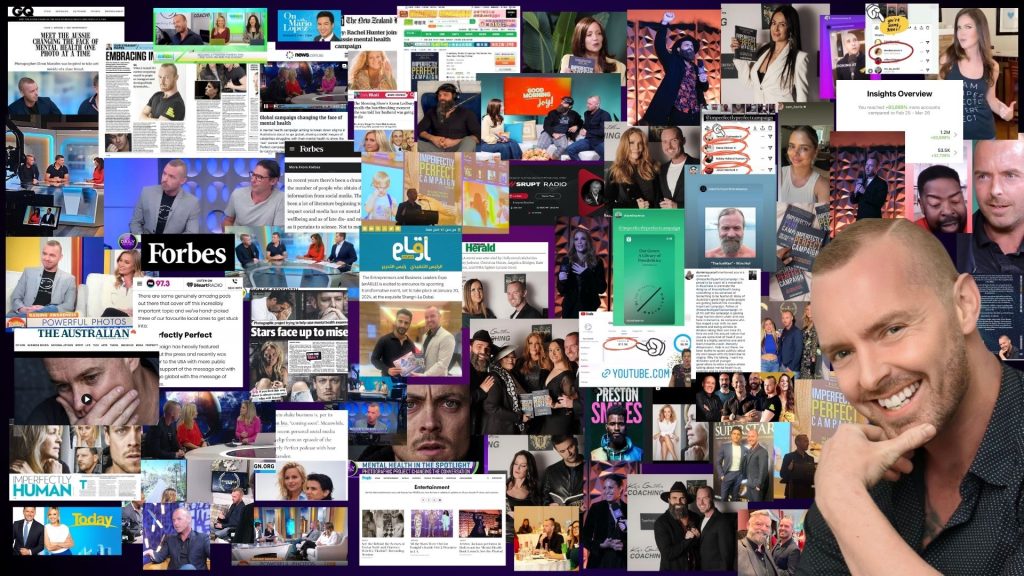
I’ve been featured across Sky News, People Magazine, GQ, and international networks. Not because I hired a publicist. Not because I had connections. Because I understood something most people miss entirely: media isn’t looking for the best person. It’s looking for the best story, delivered at the right moment, with the right angle.
Once you understand that, everything changes.
WHAT MEDIA IS ACTUALLY LOOKING FOR
Journalists and producers are not sitting around waiting to discover talented people. They’re operating under deadline, pressure, and the constant need to find something that will hold an audience’s attention.
Your job is not to be impressive. Your job is to make their job easier.
That means arriving with a clear, specific angle. Not ‘I’m a leadership expert’ that’s a category. Not ‘I help people communicate better’ that’s a service. What’s the story? What’s the tension? What does your experience reveal that most people don’t know and should?
The campaign I built featured Hollywood actors, Fortune 500 CEOs, and Olympic athletes, not because I chased them, but because the story was undeniable. A global advocacy movement built by one person, with no funding, challenging the way the world talks about mental health. That’s a story. A compelling pitch, delivered to the right outlet at the right time.
TIMING IS NOT LUCK
People talk about ‘going viral’ or ‘getting picked up’ as though it’s a random event. It rarely is.
Strategic media placement requires understanding what conversations are already happening and positioning yourself as the logical voice within them. Cultural moments, trending topics, public debates, these aren’t distractions from your PR strategy. They are the strategy.
When I understood what the media cycle was hungry for and aligned my message to it, the coverage came. Not because I got lucky. Because I made it easy for them to say yes.
THE MISTAKE MOST PEOPLE MAKE
Most people treat media as validation. A feature in a major publication becomes the goal, rather than the vehicle.
That mindset backwards the entire process. When you treat media as validation, you pitch desperately, and desperation is felt. When you treat media as leverage, a tool to reach more of the right people with your message, you pitch strategically. You approach with clarity, not need.
There’s a reason some names keep appearing across different platforms and publications. It’s not because they’re the most talented in their field. It’s because they’ve positioned themselves as reliable, credible sources with a point of view that works for multiple angles.
You can build that. But it requires you to stop waiting to be discovered and start engineering the conditions for it.
WHERE TO START
Map the publications, shows, and platforms your ideal audience actually consumes. Not the biggest names, the most relevant ones to the people you want to reach.
Build a clear, one-sentence story hook. Not your bio. Not your credentials. The thing that makes someone stop scrolling.
Start smaller than you think you should. Regional media, niche podcasts, industry publications, these build the track record that makes the bigger platforms eventually say yes.
And when you pitch, make it about them. What does their audience gain from your story? That single shift in perspective is worth more than any media contact list.