Most people build businesses. A few build movements. The difference isn’t funding. It isn’t timing. It isn’t even talent.
It’s whether people can feel what you’re building, not just see it.
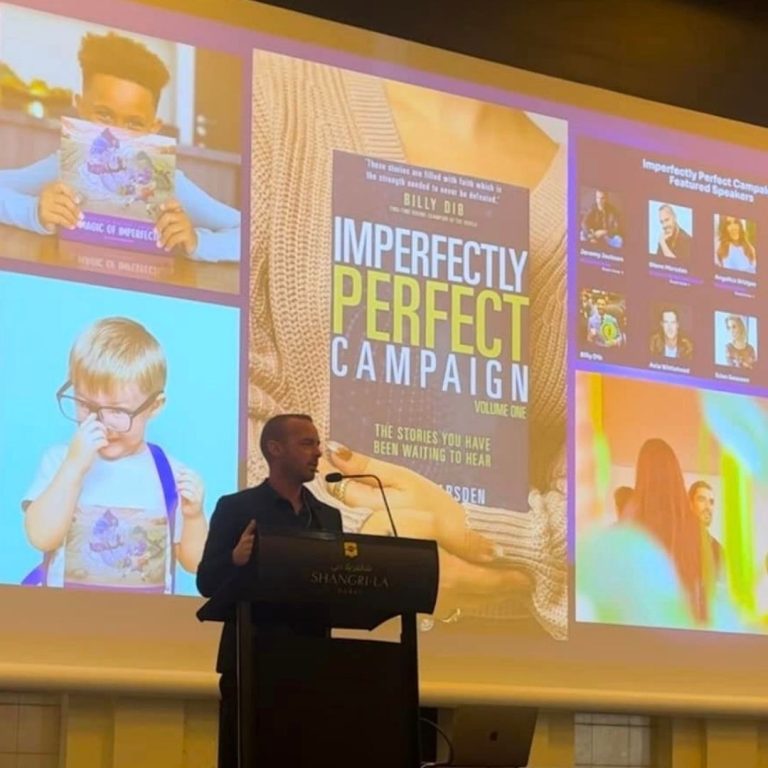
I started the Imperfectly Perfect Campaign, my advocacy movement, with a camera, a message, and the kind of grief that either breaks you or forces you to do something that matters. No team. No budget. No roadmap. Just a deep conviction that the conversation around mental health needed to change, and that I was willing to be the one to change it.
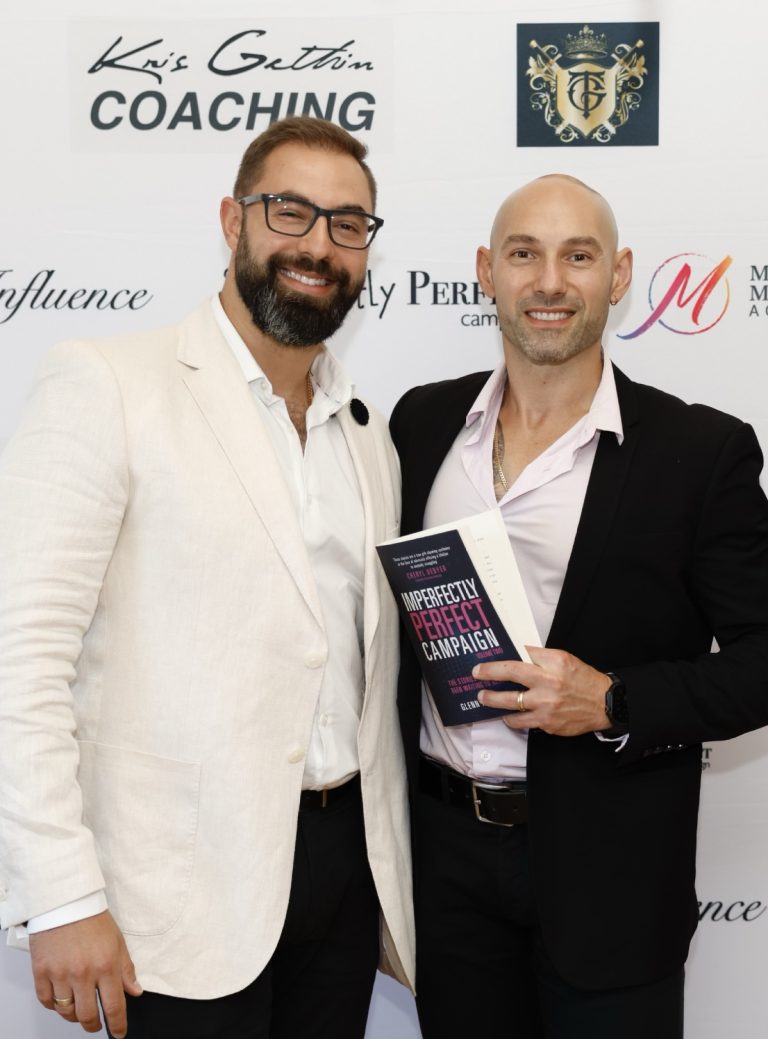
What followed, 500+ public figures, 12 million+ people reached, international stages, media across four continents, didn’t happen because I got lucky. It happened because I understood something early that most founders take years to learn.
Purpose isn’t a marketing strategy. It’s the foundation everything else is built on.
Why authenticity cut through when everything else couldn’t
The photography series that launched the campaign was unfiltered by design. No polish. No PR spin. Real people, real stories, real vulnerability.
In a world drowning in curated content, that was the thing that stopped people. Not because it was different for the sake of being different, because it was true.
High-profile figures who rarely speak publicly about mental health agreed to participate not because I had leverage or a big platform, but because the mission felt real. They could sense it wasn’t a campaign. It was so much more than that.
That distinction matters more than most founders realise. Campaigns ask people to pay attention. Movements invite people to belong. When you build something people can belong to, you stop chasing attention. It starts finding you.
The four things I teach every founder I work with
The first is to start with one person, not millions. Every movement that scaled started by moving someone deeply. Scale is the result of impact, not the goal. Get obsessed with what it feels like to change one person’s experience. The rest follows from there.
The second is to use your story as a door, not a destination. Your personal narrative is the most powerful tool you have for creating connection, but only if it leads somewhere beyond you. The story opens the room. What you do once you’re inside is what actually builds the movement.
The third is strategic visibility over viral moments. The Imperfectly Perfect Campaign had viral moments. But the growth came from something less exciting and more reliable: consistent storytelling, the right media relationships, community partnerships, and a long-term positioning strategy. Viral is a spike. Strategy is a trajectory.
The fourth is build something people can own. The moment I stopped positioning myself as the face of everything and started building the campaign as a shared mission, something others could champion, contribute to, and feel genuinely part of, is the moment it began to scale across cultures and countries. Movements outlast their founders because the people inside them carry it forward.
What this means for your business
The entrepreneurs and leaders I work with aren’t short on ideas or effort. What they’re often missing is the connective tissue between what they’re building and why it matters to the people they’re trying to reach.
That connective tissue is purpose, and it’s not a tagline you add at the end. It’s the foundation you build from the beginning.
If you’re solving a problem, you’ll get attention. If you’re solving a problem people feel, you’ll build something that lasts.
That’s the difference between a business and a movement. And it’s available to anyone willing to lead with something real.